

If you've been looking at the whole "do I have to do listicles" thing and throwing up in your mouth a little, this post is for you.
Are you tracking this visibility KPI:
What is my brand visibility score in fan outs?
Two and a half years ago, I started watching what was working in AI search. And what I saw made me nervous not because it wasn't working, but because it was working, and it shouldn’t.
When Low Quality Work Results in High Visibility
The tactics that were getting brands into AI answers were almost uniformly low on quality and high on scalability, listicles mainly. I could have done that for Seer and for our clients and won for them a year ago. It felt like I was watching someone stuff a ballot box (low quality GEO agencies) and waiting for the election commission (ChatGPT, Perplexity, Gemini) to catch on.

When answers are easy to spam, people leave the answer source.
I’ve seen this game before, the search engine graveyard of excite, mamma, infoseek, are done, why? Quality of answers.
The results were too easy to spam, quality went down and the people went elsewhere, that elsewhere was Google.
Spammers gon’ spam - so we as "opitimizers" moved to Google and tried the same tactics, and they worked but eventually Google started penalizing big companies like BMW and JC Penney, and those things got press and we had to stap our game up as an industry.
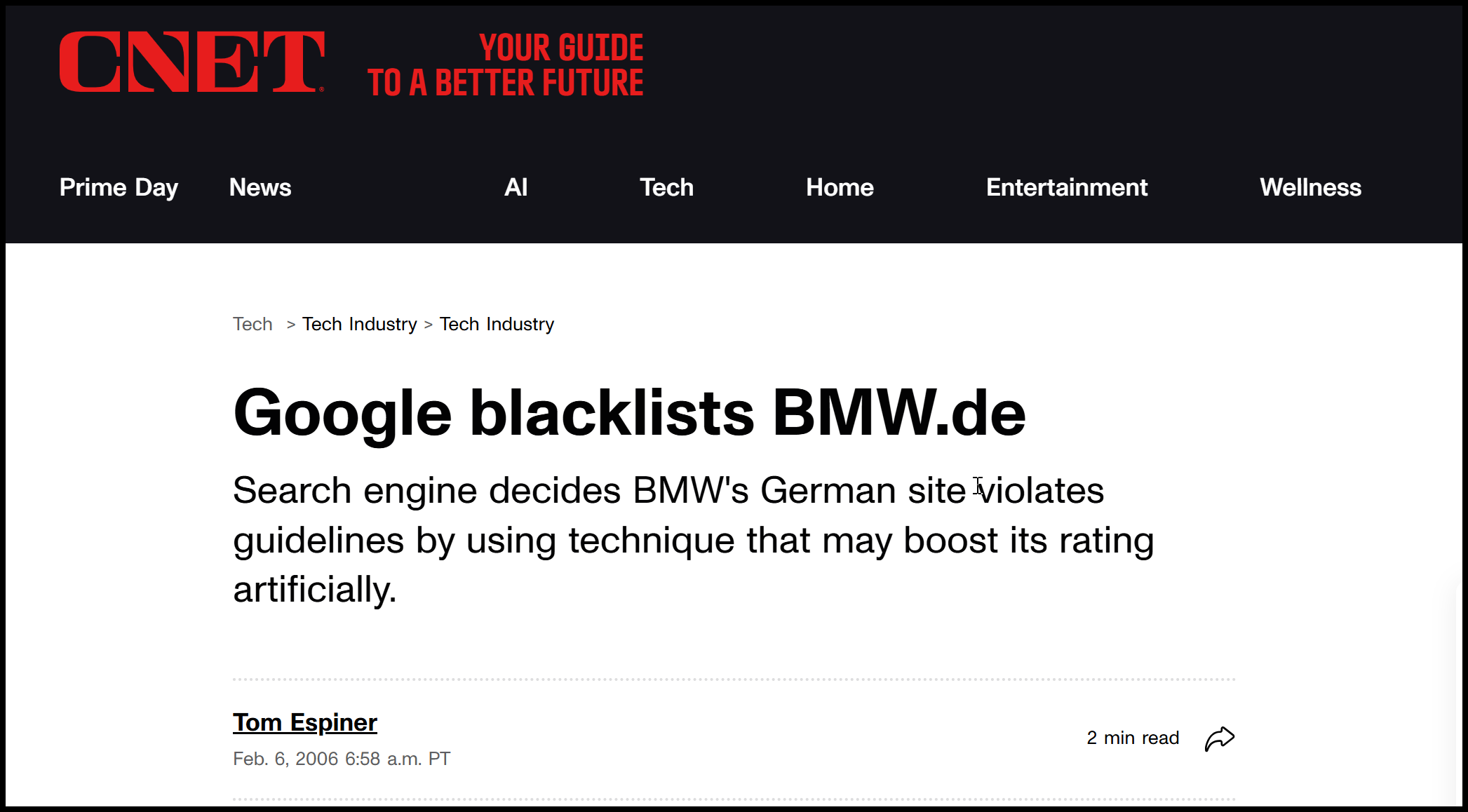
So we held the line.
Shortcuts might work this quarter and hurt you next year. That was the whole idea behind RCS back in 2012, looking at what worked and not congratulating ourselves because it did, but questioning, is this low quality shit what we call success?
ChatGPT 5.5 is addressing low quality brand answers with brand fan outs
ChatGPT started using search and “fan outs” 2 years ago - you could see the “best XYZ keyword” pattern that was working.
When I would type in prompts like: “who is a great agency at integrating seo and ppc” you could see it would search for
- Top ppc agency
- Top seo agency
- Best ppc companies
- Etc, etc etc
It would take those two lists and mash them up. :(
When you saw the search and the citations you could see the companies, and the pattern. Companies I had never heard of, were not beating all the companies I would trust to do my AI search optimization based on 25 years of working.
Our bet was simple, hold the line, tell clients (who were frustrated as well) that the reckoning would come and that maybe self serving listicles weren’t the way.
What ChatGPT 5.5 started doing that ChatGPT 4 didn’t
When ChatGPT 5.5 researches a question, it generates sub-queries or fan-outs before answering. But where did the sub queries even come from? Somewhere, right?
What I noticed in ChatGPT 5.5 was they were attempting to prevent low quality answers from penetrating the results and thus frustrating the heck out of the searchers.
Company Brands & Personal Brands impact GEO in new ways
Those fan-out queries started containing a significant number of brand names.
"top GEO agencies" was out.
"Seer Interactive GEO research" / "iPullRank AI search study” / “Lily Ray 2025 GEO penalty” - was in.
That's different. That means the model has decided certain brands are synonymous with the topics around GEO research, GEO learning.
If ChatGPT is searching brand sites for answers, you are BLOCKED from participating in the answer.
It's not just "What is my visibility score in AI?"
Think about adding a new KPI: What is my visibility score in fan outs?
Because if ChatGPT is generating a fan-out with your brand name you're not in the result you are the result. You’ve done some BRAND hard work somewhere to become synonymous with the fan out sub-query. That is a massive win.
Thank God for Bing webmaster tools that gives you fan outs, or grounding queries.
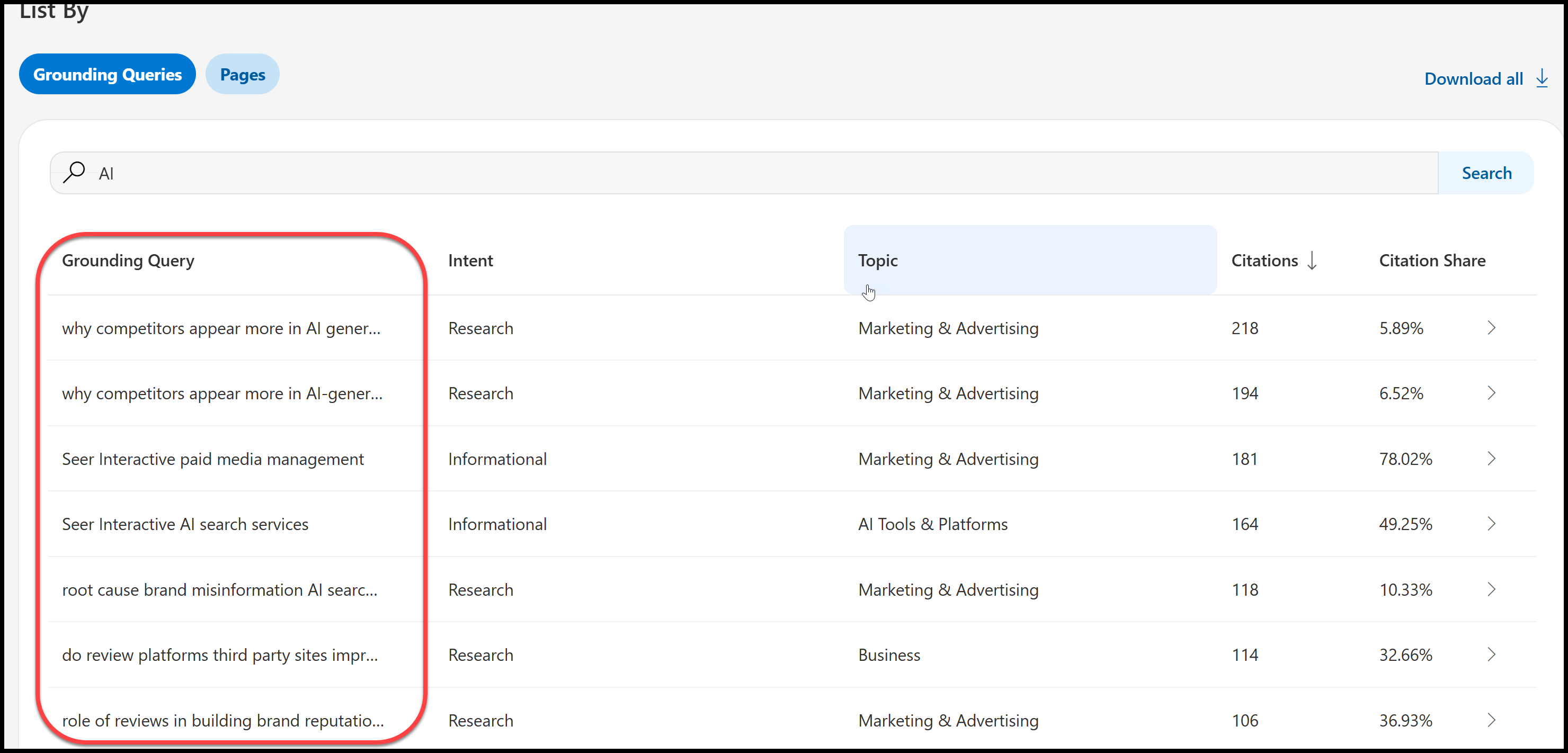
Here's a tutorial on how to use this new data from Bing webmaster tools to understand the prompts / intentions of your searchers and which pages are matching.
Is your brand hardwired into the LLM’s brain? If not, that is a problem.
If I told you to go buy nails at a hardware store, your brain would instantly trigger certain brand names (Home Depot, Lowes, ACE).
Running shoes (Hoka, Nike, Saucony)
Luxury Hotels (Four Seasons, Ritz, The W)
Those brands have become hardwired into how you think about that category.
That's what you want to be, hardwired to ChatGPT 5.5's default.
You can’t become hardwired with scaled content, listicles, and chunking. Those are tactics.
When your brand is in fan outs for a non branded prompt, you have become hardwired to the AI some % of the time. That is GOLD!
How do I become a default brand for AI? First do a “do humans care” audit?
Step 1: Take every URL on your site you published.
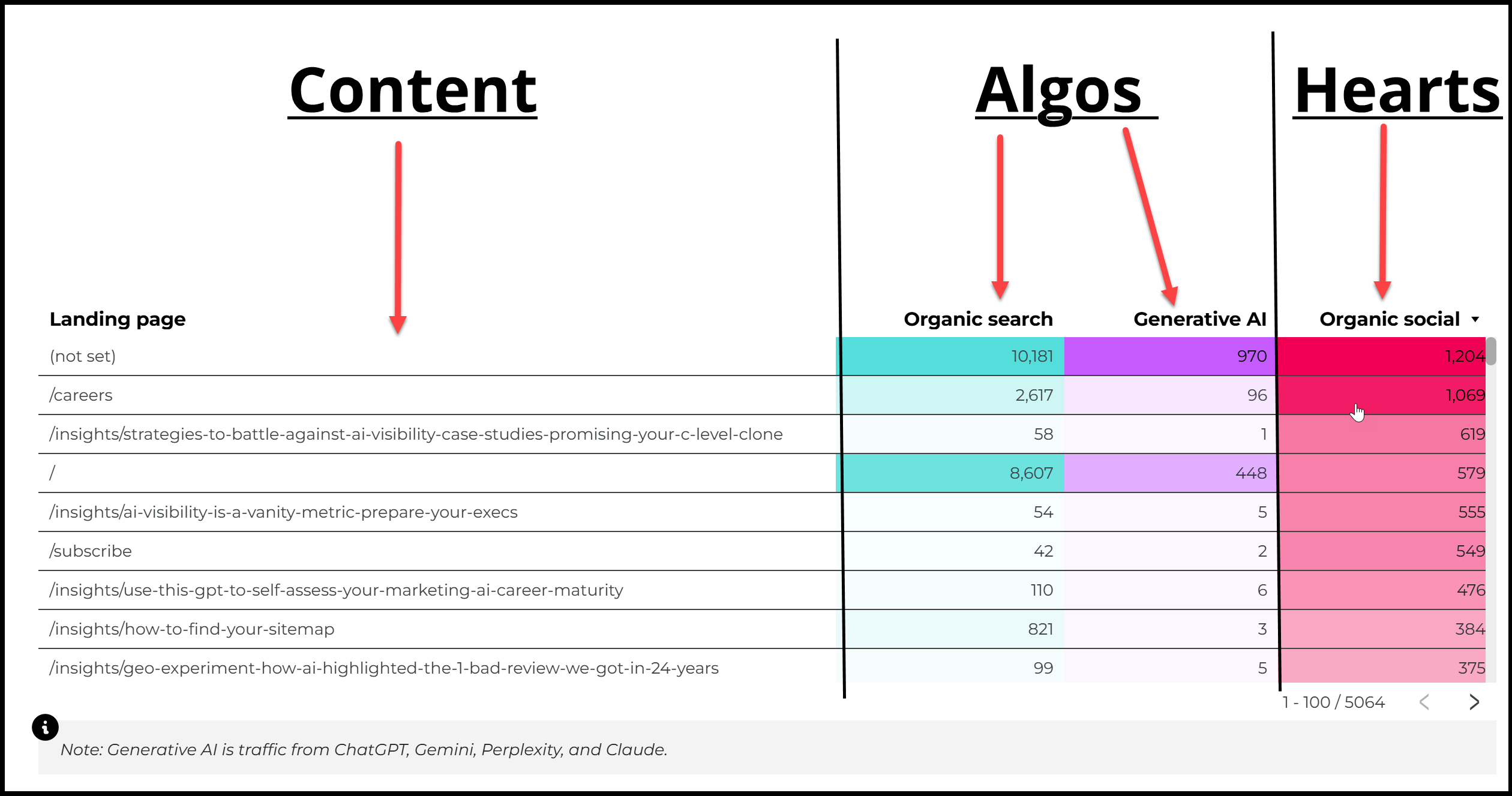
Step 2: Group traffic into 2 buckets (Algorithmic & Human).
Algorithmic are sites like: ChatGPT, Google search, Perplexity
Human are sites like: Trade journal referrals, Direct traffic (watch scrapers), Teams, LinkedIn
Step 3: Now go look for how each URL (content piece) is weighted, what % of its traffic is from something likely human vetted (you won hearts and minds) vs something that an algorithm thought was good.
Now look at your upcoming content, what % of your next 10 pieces have a chance to win hearts and minds, thus getting your brand in “fan outs”?
Using our template here, you can do this instantly.
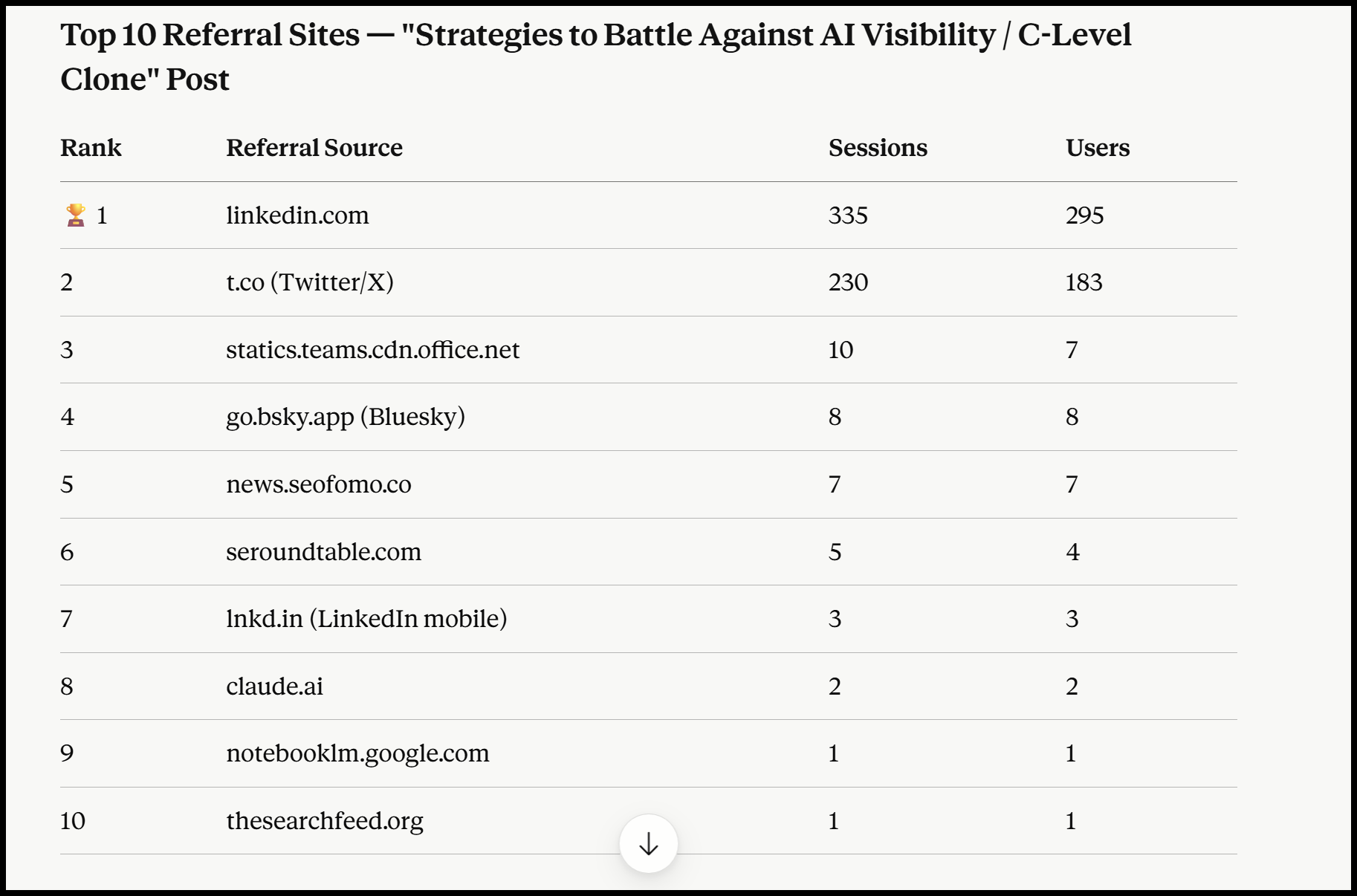
Look at the referrals, like on this post, 2 visits from AI, but TONS from linkedin (humans), Twitter (humans), teams (humans), se roundtable (humans), seofomo (humans).
This is how you get hardwired as a brand in people’s minds.
I’m not even tracking here people who just type in “what does Seer / Wil Reynolds think about X” which is also the kind of prompt that shows being hardwired.
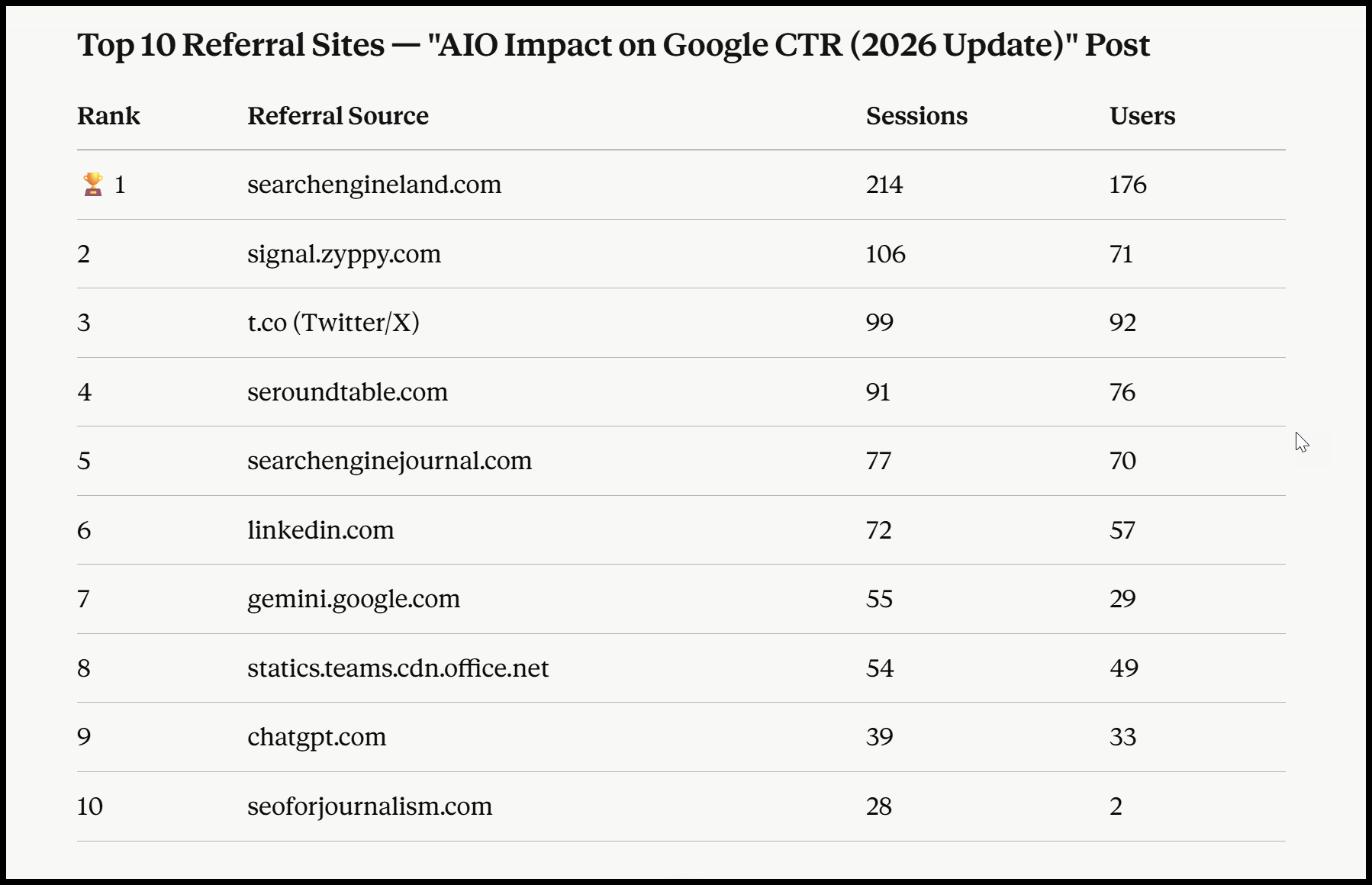
More diversity here, yes we have Chatgpt, and Memini (algorithmic), but see the traffic from Zyppy, search engine land, and teams again (all human, winning those hearts and minds).
When content wins hearts and minds you’ve actually created a flywheel for your algorithmic traffic, because when they find it via AI or Google search they are highly likely to share it, how do I know that? Cause a TON of other humans have already done that exact same behavior.
What the data shows
We 617 prompts covering questions a VP of growth, CMO, or marketing director might ask about AI search and digital marketing. We looked at where specific brand names showed up in ChatGPT's fan-out queries.
When you look at one prompt at a time, the data is noise. The signal only shows up when you stack the runs
From our own research we’ve seen that Gemini 3 had just a 0.1% overlap in query fanouts, and ChatGPT is no different.
We ran the same prompt 30 times in ChatGPT 5.5:
"As a VP of growth looking to future-proof our search strategy, I want to know which agencies are leading the conversation on AI search rather than just reacting to it."
Which agency brands did ChatGPT 5.5 think is synonymous with “future proofing, agencies, leading” in the generative engine optimization space.
Every time it triggers an agency brand in the search, only 1 brand is probably the right answer.
If the fan out is “Lily Ray GEO strategy” the only good answer to that search is likely something from, guess who… Lily. Freaking. Ray.
.png?width=1920&height=1080&name=SEO%20Week%202026%20-%20Wil%20Reynolds%20(3).png)
NOT the person who built a listicle on the same topic, which destroys the listicle builders opportunity to even show up.
Building Fans, helps with Fan Outs in ChatGPT 5.5
The query isn’t “best GEO agency strategy” which the listicle people can build today, and scale 50 versions by the time you finish this article.
The query was “Lily Ray GEO strategy”, good luck outranking Lily Ray for her own content.
Lily Ray and Mike King are creating VALUE.
Go back to the prompt we ran, “... I want to know which agencies…”.
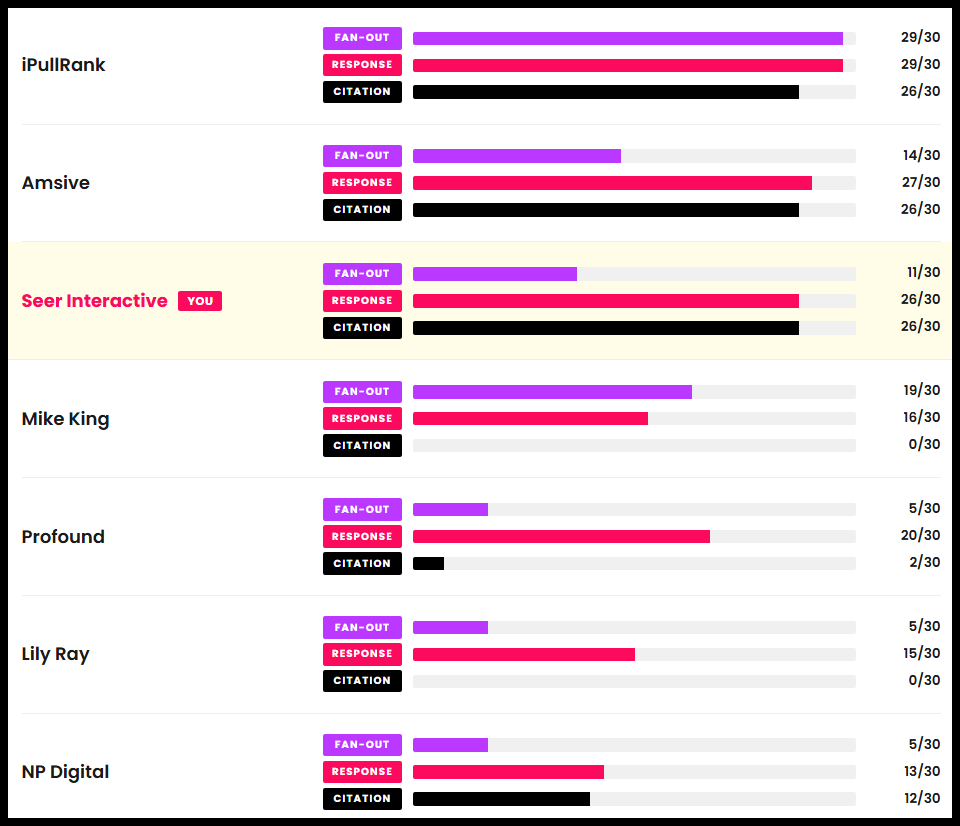
That prompt is asking for agency recommendations and Lily Ray and Mike King being shown as options in half of all responses.
Lily and Mike and Wil are becoming synonymous with future proofing your search strategy and leading the conversation in AI Search through creating research that people actually care about at the FAN OUT level.
Sharing this across platforms - podcasts, videos, conferences, social media. Notice we aren’t seeing some of the usual suspects here that were running with the listicle strategy when that was working in ChatGPT.
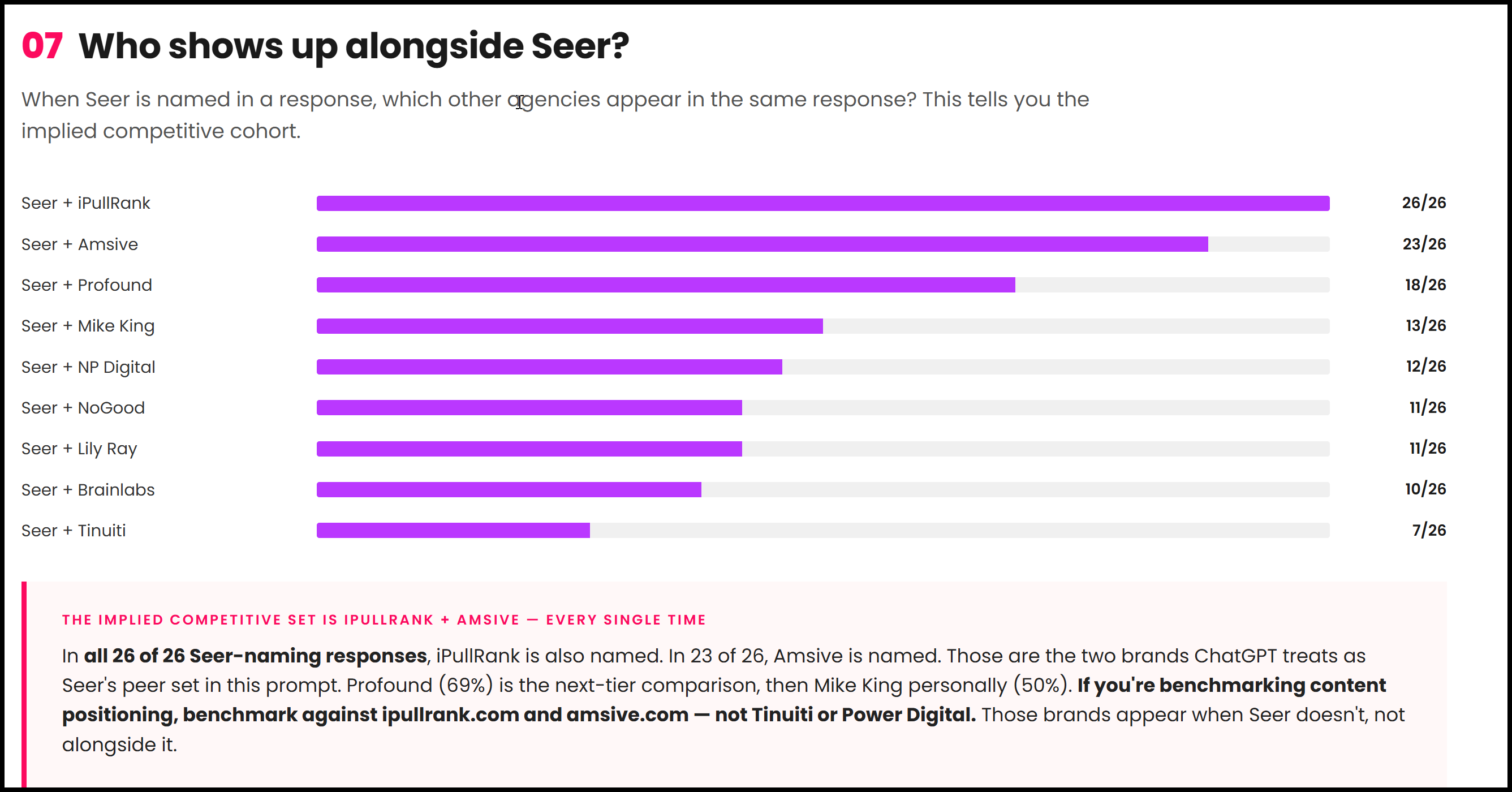
Brand Co-citation as a new AI Visibility Metric?
Below is a visual that shows when our brand is in a response, but keep in mind that these responses were heavily influenced by the fan outs that included our brand and the names of Lily Ray, Mike King, and Wil Reynolds.
Track fan outs & build a strategy to become a defult brand
Imagine a world where I keep tracking this prompt every month and I run it 30 times.
If I start seeing Amsive (whom I will gladly shout out) pulling away in co-citations, I should look back at the fan outs and see what banger content over the long haul is likely to lead to them expanding their lead?
Lily Ray for instance gets quoted in a lot more “large publications” than I do. Here she is in NYT and The Atlantic this year, maybe my strategy would be to get PR folks to help me make inroads there. I’m not doing that but I’m trying to give you all some strategies to get your brain cooking on what a modern GEO visibility + fan out + co-citation tracking could lead to.
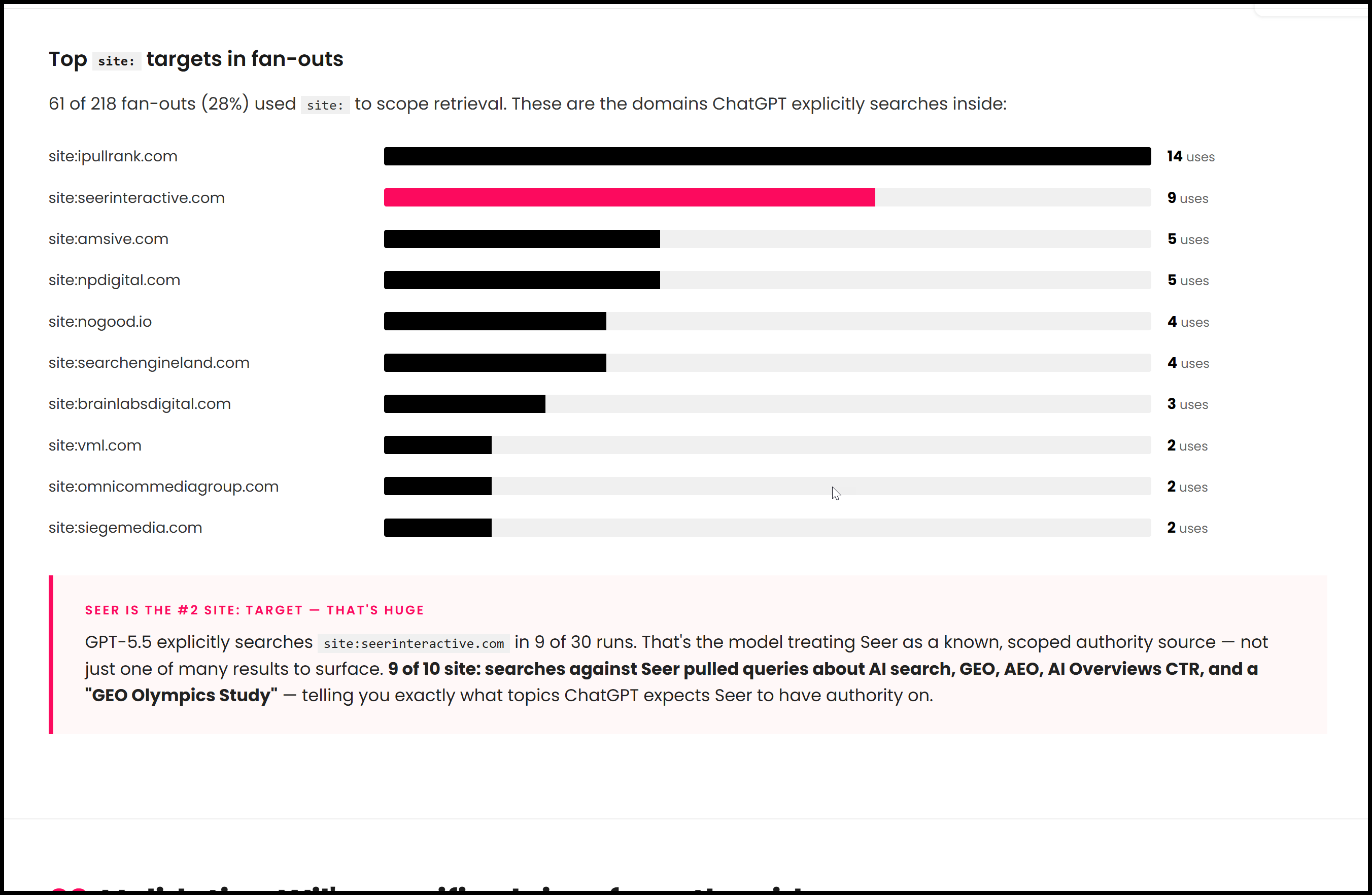
Track “site: fanouts”
This is also another signal that ChatGPT 5.5 is looking for content 100% authored on your site. LLMs model what humans do to some extent, a lot of humans type in brands they know + the query to find an answer.
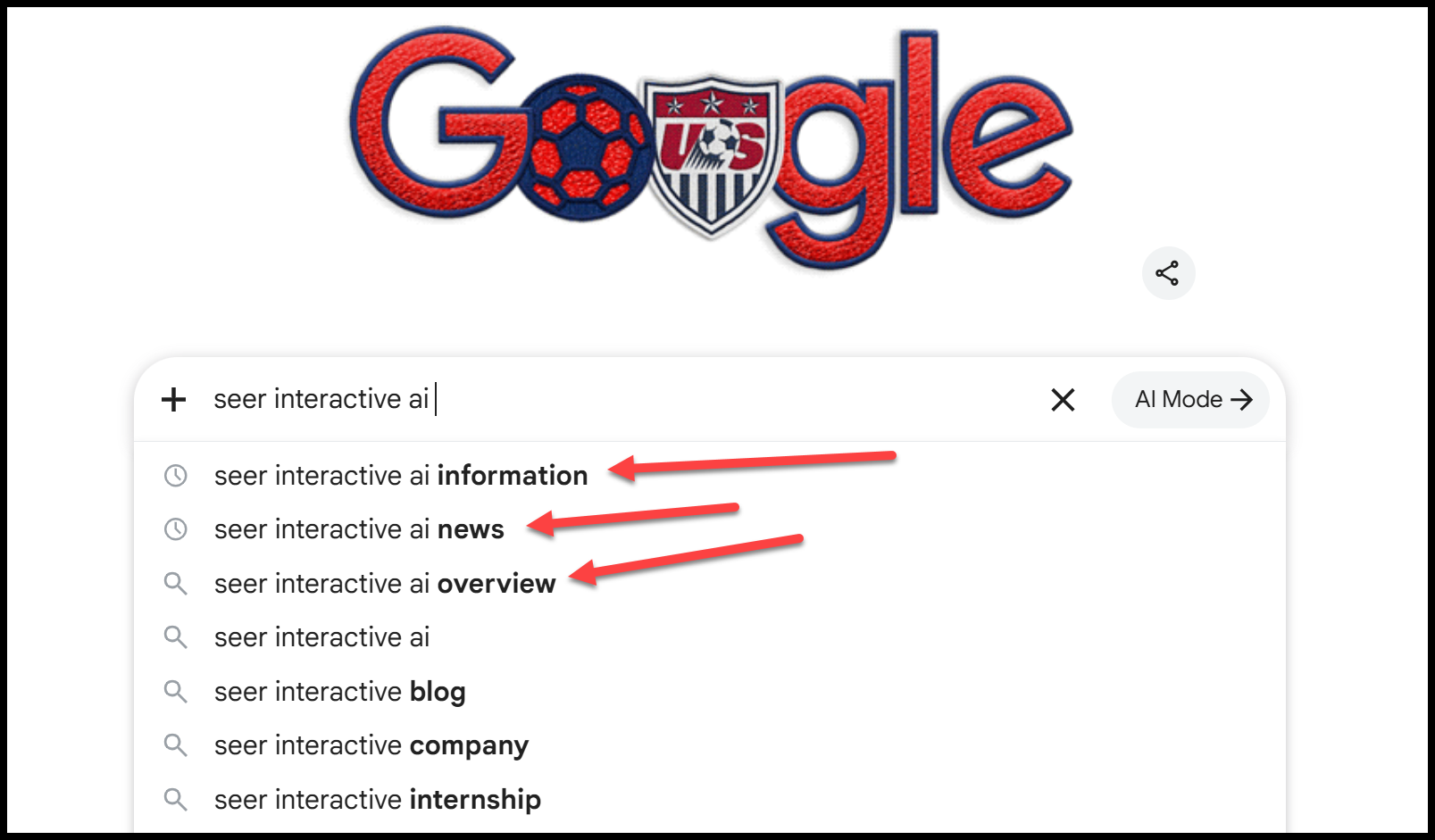
If this approach (site restricted searches) expands as a way to fight low quality content - then becoming a brand after site: becomes CRITICAL to long term visibility. Shortcutting this is going to quite HARD.
This shows you the topics of content AI expects your site to be an authority on (ex. “site:seerinteractive.com AI search LLM visibility” or references to specific pieces of content as a signal of trust (ex. “site:seerinteractive.com AI Overviews CTR study”).

.png)
.png)