
Yes, we're paying young people to learn and test improving AI results
A lot of companies right now are cutting entry-level roles. Some are replacing them with AI entirely. In the last year and a half, entry-level jobs in the U.S. have fallen by 35%. We want to give young people the opportunity to get ahead of this, so we're doing the opposite.
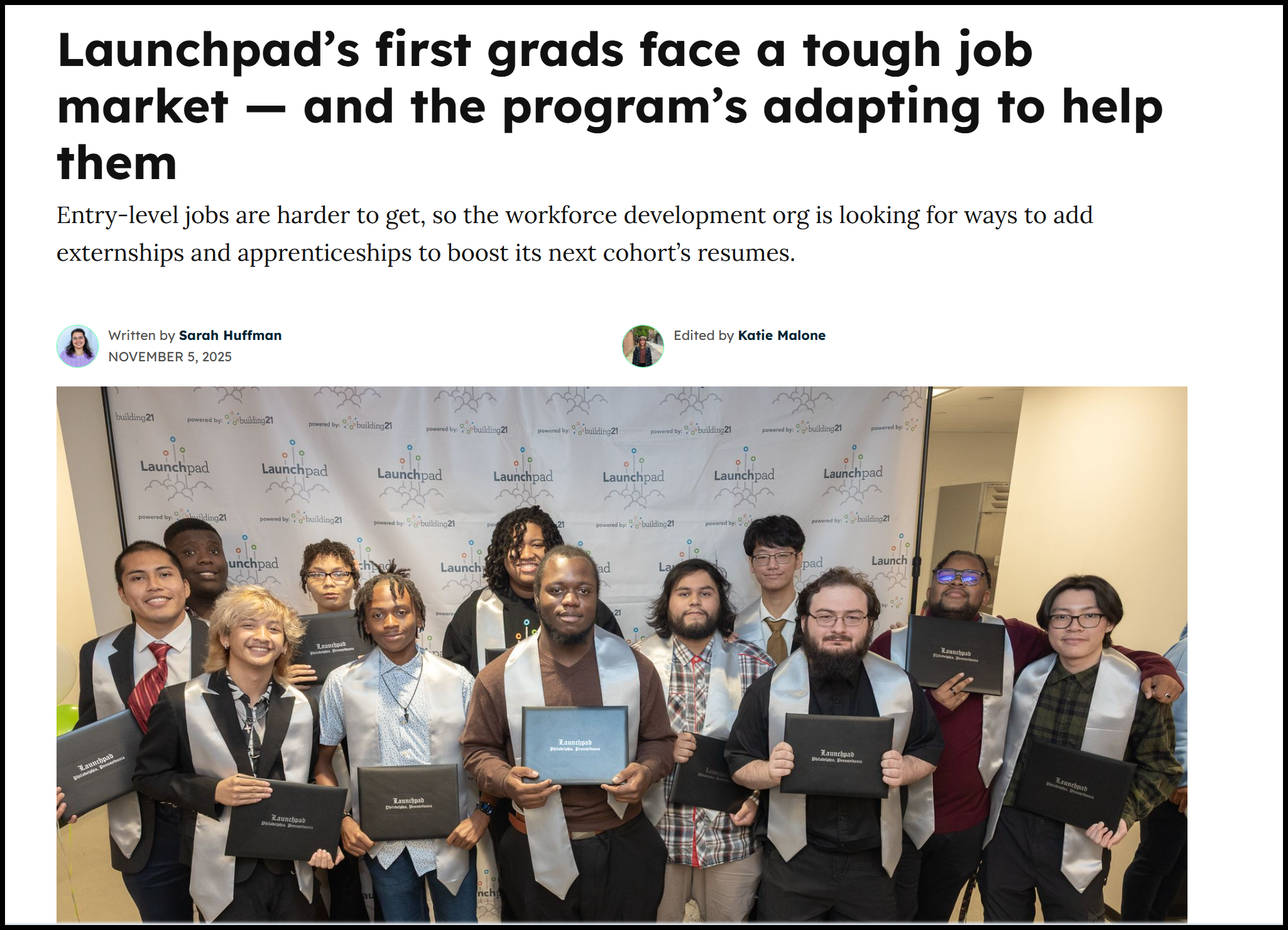
I read that above post and was like I gotta do something.
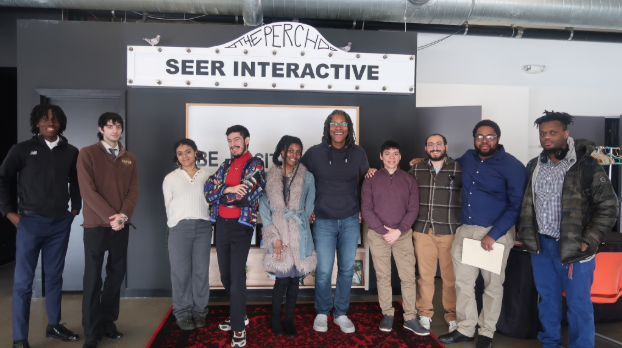
We partnered with Launchpad last year, in that article you hear from Antonio Archer, who now works with us 3 days a week after crushing his internship:
Archer is one of the part-time interns at local digital marketing agency SEER Interactive, thanks to an interview facilitated by the program. Beyond the opportunities he’s gotten through existing connections like that, it’s been difficult for him to get noticed as he tries to land a full-time role next year.
In total due in part to seeing Antonio crush and impress us on the daily, we're increasing our investing approximately $20,000 into this program over 3 months to teach three interns about GEO. This number reflects not just the interns' compensation, but the dedicated time of our team members showing up to mentor, teach, and support them.
The industry pulled the ladder up, we're putting it back down...
Way too many of us professionals have pulled the ladder up after we built our experience and networks, and I think all of us need to take a good hard look in the mirror. We forget what it was like 10-20 years ago coming out of college and getting into the workforce trying to build a network and a reputation.
It was those early happy hours, those late nights in the office with other people, where we made relationships, heck 20% of people met their significant other at work or through work, that is where this happened, and now we’ve got those connections for life - we work from home, and watch entry level jobs get cut.
Fuck that.
Introducing AI Optimization Academy
Look, here's what's happening: we're bringing three, Yara Kemeh, Jamir Ong, and Bryan Gunawan, into Seer for 13 weeks this spring. Follow them and cheer them on and see if they might be hirable for you someday.
They're coming in two days a week to work alongside our team on real AI research and testing on our site.
.png?width=1069&height=721&name=IMG_6355%201%20(1).png)
GEO (generative engine optimization) is one of the few fields that has a chance to grow, and we want to help put some people in it.
They will do real work, that we’re going to publish and test on our own site. The goal is to help them build a repeatable process for AI experimentation: hypothesis, to testing, to results, that everyone can see.
The point is that they leave with something real.
We will be posting their work, so if they crush you’ll see it and you might be able to hire a “Seer trained” person (no they won't be doing listicles and other low quality GEO) and you can see their tests.
I will only be recommending people I was impressed by, our reputation matters too much to me.
Success looks pretty simple:
Three people walk out of here better than when they walked in: stronger skills, tangible work they can show, and a real sense of what it means to work in a data-driven marketing environment and a network.
We’re making it easier to grow their networks too, we have a lunch budget where we will pay for lunch for Seer team members to meet and engage with them.
If we've built something that works for them and for us, we'll run it again. We run experiments, that is what we do.
Why We're Doing This
We’ve spent years telling young people just go learn to code. You could get jobs, they could go far if they could just keep their nose clean and do the right things.
And now, many of those young people have spent three or four years in those programs, doing the right things, staying positive, battling the distractions of growing up in the inner city, only to have us all say, “Sorry, AI came, we have no more jobs, no roles.”
If I could do something about it, I should.
We Have a Responsibility
A lot of young people did their part. And then the world changed and we pulled up the ladder on them.
When training young people to do GEO and to use AI, understanding that these same tools are making it easier to not hire young people does feel contradictory.
I'm looking at the market. The market right now is saying: if you know how to optimize for AI, you're more employable.
Everything is a test. Everything is an experiment. I need to be able to look at myself in the mirror and know I tried to do something for young people who are facing such poor job prospects. And then we'll let the data talk, we'll see the outcomes. We'll keep the stuff that works and get rid of the stuff that didn't and keep being better every day than we were yesterday.
Why Philadelphia? Why In-Person?
Yea, we could build our GEO Intern Program remotely. We’re a remote friendly company and could recruit nationally.
But if we’re going to start investing in young people, why wouldn’t we start in our own backyard, this city has its challenges and I want to be part of the solutions.
Especially when helping young people grow is also about networking, and overhearing conversations, and how other people are actively solving problems.
That’s where the learning happens, when someone can just walk by them and say “Hey, I’m working on this thing. You in?” Just yesterday 3 of them were over my shoulder while I banged away on an orchestrator called paperclip.
But the bigger thing: Skills fade. Relationships don’t. That’s a big part of the reason we want them here, spending time with people and building human relationships.
Should You Do This?
Since I have no data yet, the pitch would just be around our corporate responsibility.
This company wakes up and exists to be good and do good for 3 groups.
Clients, Co-workers, and Community.
Especially for companies that spent time and money motivating young people, telling them that there were all these jobs in tech if they did the right things. Well, now rent's due.
They did the right things, and they have minimal opportunities. Are we gonna shrug shoulder and say, sorry the world changed?
We all can find a way to do something. Take a young person under our wing. Bring them into the office. Get them some small tasks as a 1099. But you can't tell them to do all these things to make them employable, that took them years of resilience, and then when we finally get to hiring time, turn your back on them.
Check out our most recent community impact report, we look forward to doing more.
.png)
-png.png)